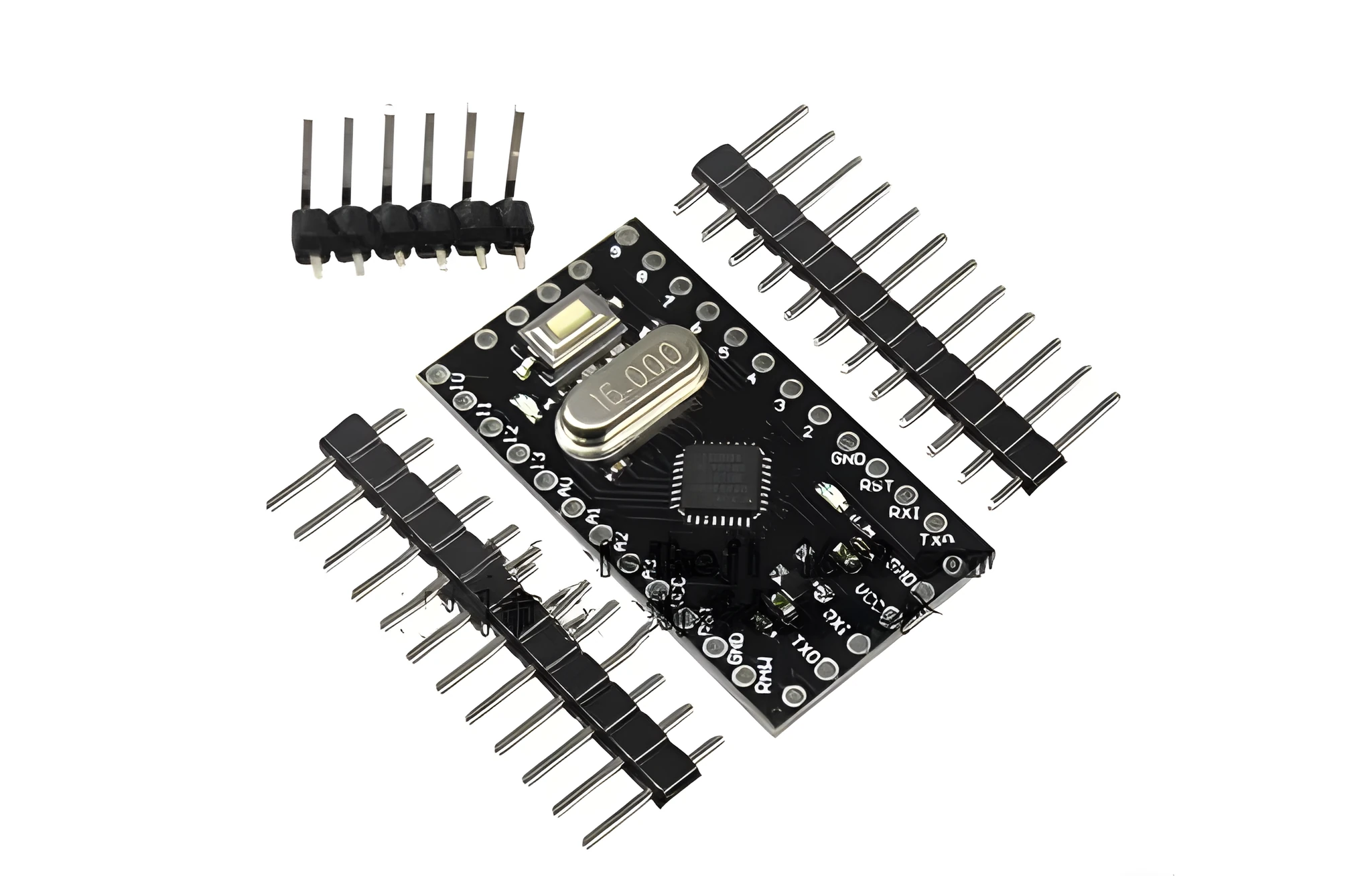
Arduino Mini Pro professional microcontroller circuit board with Atmega328P-AU processor, 14 digital I/O pins including 6 PWM outputs, 8 analogue inputs, 16MHz resonator, compact 33.3x18.0mm size for embedded electronics projects and DIY prototyping


Arduino Mini Pro professional microcontroller circuit board with Atmega328P-AU processor, 14 digital I/O pins including 6 PWM outputs, 8 analogue inputs, 16MHz resonator, compact 33.3x18.0mm size for embedded electronics projects and DIY prototyping
Arduino Mini Pro Professional Microcontroller: Compact 33mm Board with 14 Digital & 8 Analogue Pins
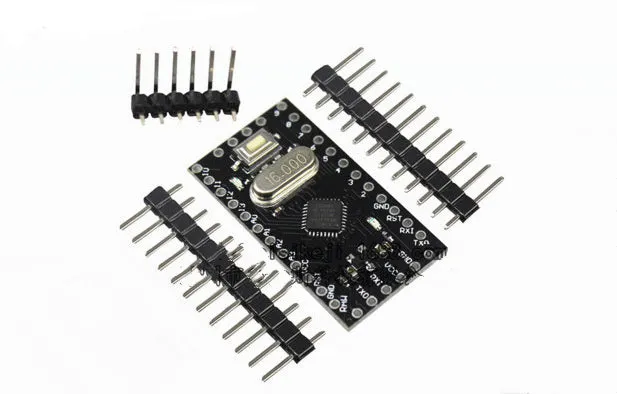
This Arduino Mini Pro professional version is a fully-featured microcontroller circuit board designed for electronics enthusiasts, students, and professionals engaged in embedded system design and DIY prototyping. Its core purpose is to deliver the essential processing and input/output capabilities of the popular Arduino platform in a significantly reduced footprint. Built around the reliable Atmel Atmega328P-AU processor, this board provides a robust foundation for a wide array of projects, from simple LED controllers and sensor nodes to more complex automated systems. The key advantage lies in its combination of a comprehensive pin set—including PWM outputs and analogue inputs—with a minimal 33.3mm by 18.0mm form factor, making it an ideal choice for projects where space is at a premium without sacrificing functionality.
Features and Construction

The Arduino Mini Pro is defined by its specific technical parameters and compact construction, offering a practical solution for integrating microcontroller intelligence into projects. Every feature is engineered to provide maximum utility from its small size, from the processor choice to the pin header layout. This section details the materials, build quality, and the precise dimensions that enable its use in confined spaces.
Material and Build
The board is constructed using a standard fibreglass printed circuit board (PCB) with copper traces forming the electrical connections between components. The main processing element is the surface-mount Atmel Atmega328P-AU microcontroller, a chip known for its use in many Arduino boards. Additional key components soldered onto the PCB include a 16MHz ceramic resonator for clock timing, a tactile reset button for restarting the system, and rows of pin headers which provide the physical connection points for all input/output ports. These pin headers are crucial, as they allow the board to be securely mounted onto a solderless breadboard or directly soldered into a permanent project. The build focuses on delivering reliable electrical connections in a durable, solder-masked package suitable for prototyping environments.
Size and Practical Fit
The most distinct physical characteristic of this Mini Pro board is its dimensions: it measures 33.3 millimetres in length by 18.0 millimetres in width. This compact size is a primary differentiator, allowing it to be installed in enclosures and final products where larger development boards would not fit. The small footprint does not come at the cost of connectivity; the pin headers are arranged to provide access to all 22 digital and analogue I/O pins. This practical fit makes it exceptionally suitable for drones, wearable electronics, robotics, or any embedded application where the control unit must be discreet and integrated seamlessly into the overall assembly. The inclusion of mounting holes via the pin headers further aids in securing the board firmly in place.
Uses and Placement

The technical specifications of the Arduino Mini Pro directly translate into specific use cases, both for educational or professional prototyping and for final product integration. Its compatibility with the Arduino ecosystem and flexible power options broaden its applicability. Understanding these uses helps in selecting this board for the right project scenario.
Event or Professional Use
In professional or event-based settings, this board can serve as the brain for interactive installations, data logging units, or control systems. The eight analogue inputs (A0 through A7) allow for connecting multiple sensors—such as light, temperature, or potentiometers—to gather environmental data. The six PWM-capable digital pins enable precise control of motor speeds, LED brightness, or servo positions, useful for animatronics or lighting displays. Its support for an external DC power supply from 3.3V to 12V means it can be powered from a regulated bench supply, a wall adapter, or directly from larger battery packs common in field deployments, offering stability for sustained operation.
Everyday Home Use
For DIY enthusiasts and hobbyists, the Arduino Mini Pro is a versatile tool for home automation and personal projects. It can be programmed to create smart garden watering systems using soil moisture sensors, build custom radio controllers, or automate model railways. The availability of a serial port (RX/TX) facilitates communication with other devices like Bluetooth or WiFi modules, enabling remote control and monitoring. The option to power it with a standard 9V battery makes it portable and easy to deploy in temporary or battery-operated projects around the home, such as a wireless weather station or a battery-powered colour-changing lamp, without needing a mains connection.
Benefits and Buying Value
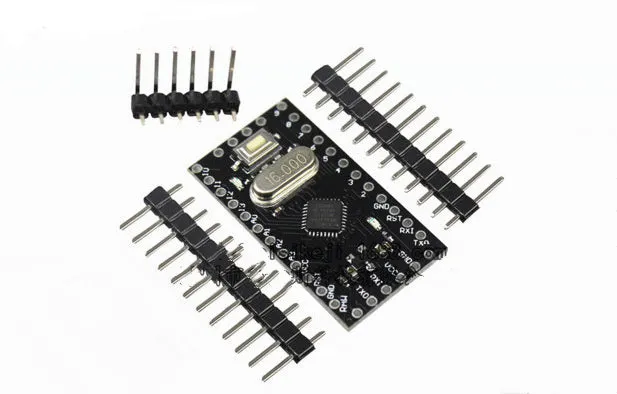
The value of the Arduino Mini Pro stems from its reusability, low maintenance needs, and the practical advantages it offers over more generic or bulkier alternatives. It represents a focused investment for those who need a specific set of features in a small package.
Reuse and Low Maintenance
As a development board, the Arduino Mini Pro is designed for reuse across multiple projects. Once a prototype is complete, the board can be de-soldered or unplugged and reprogrammed for an entirely new application. There are no consumable parts, and with basic care to avoid electrostatic discharge or physical damage, it requires virtually no maintenance. The robust nature of the soldered components and the PCB itself means it can withstand the repeated plugging and unplugging typical of a prototyping workflow. This reusability provides long-term value, as a single board can support learning and creation through many different project cycles.
Why Choose This Product
You would choose this specific Arduino Mini Pro board when your project demands the full I/O capability of an Atmega328P microcontroller but must fit into a very confined space. Compared to using a bare chip on a custom PCB, this product saves significant time and effort in sourcing individual components and designing the core circuit. Compared to larger, full-sized Arduino boards, it delivers the same core functionality (same processor, same pin logic) in a fraction of the area, which is often a critical constraint in finished products. The inclusion of mounting pin headers and support for common power sources makes it immediately usable, reducing the need for additional adaptor boards or complex power regulation circuits in many scenarios.