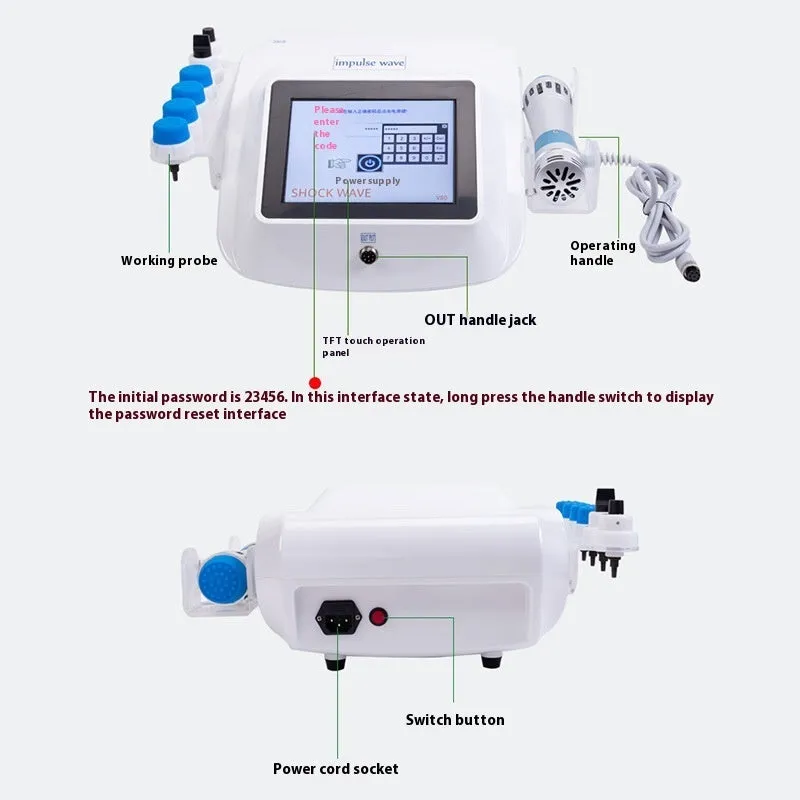
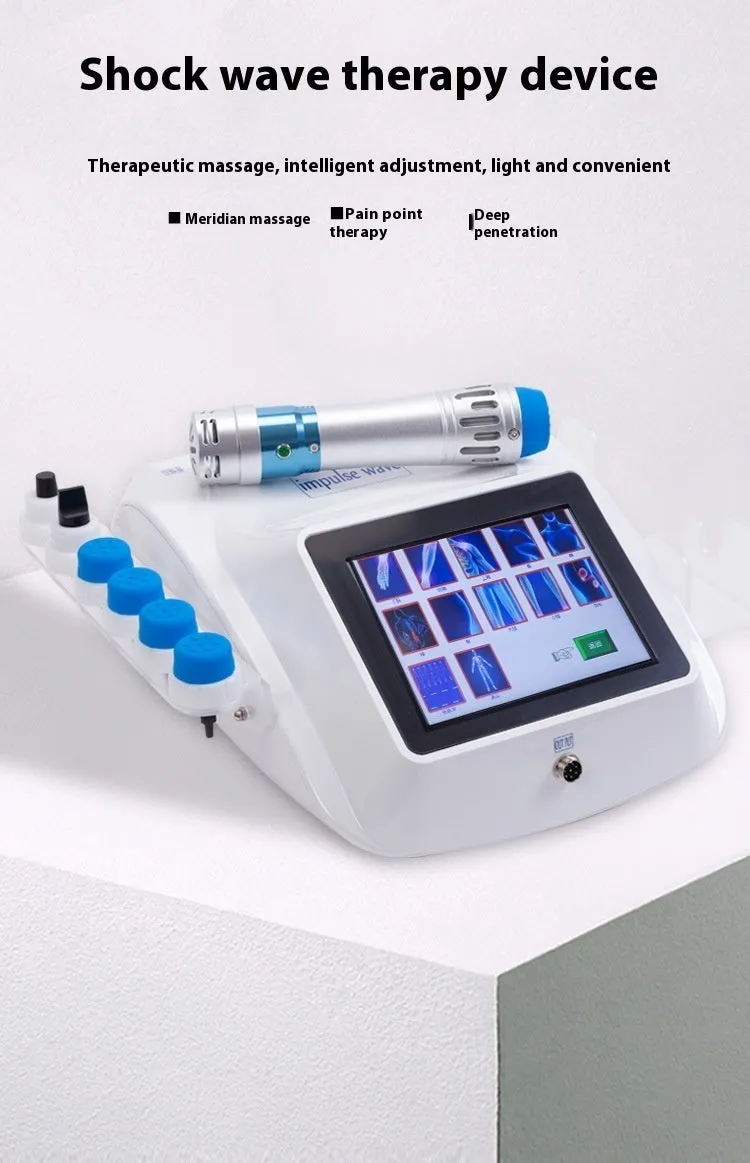
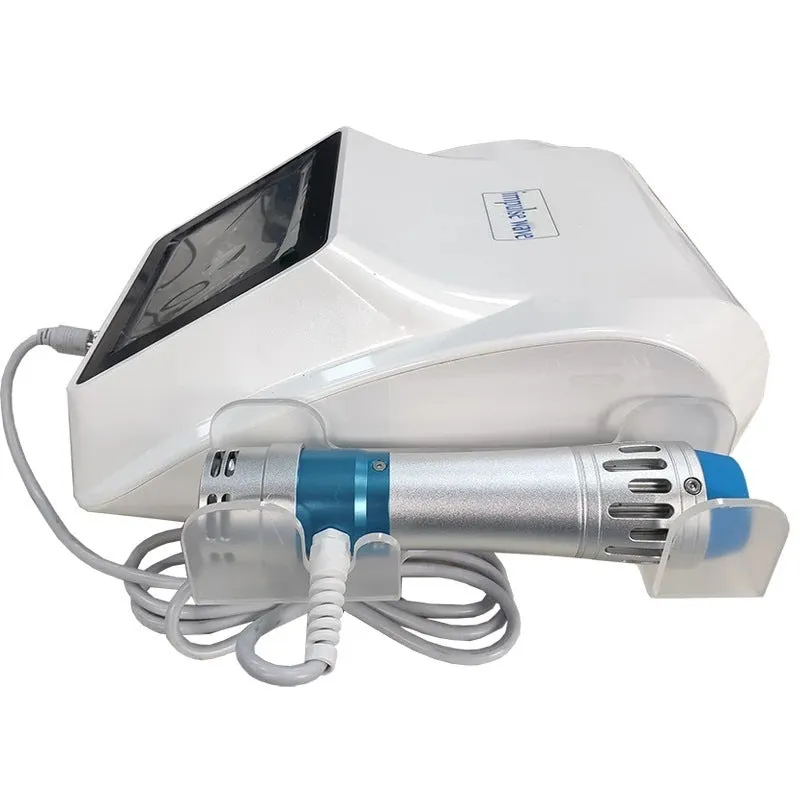
Physiotherapy instrument handheld remote control device using electromagnetic extracorporeal shock wave technology for pain relief and muscle therapy, AC-powered with EU and US specification compatibility, supplied as a single unit with controller


Physiotherapy instrument handheld remote control device using electromagnetic extracorporeal shock wave technology for pain relief and muscle therapy, AC-powered with EU and US specification compatibility, supplied as a single unit with controller
Electromagnetic Extracorporeal Shock Wave Physiotherapy Instrument with Handheld Remote Control for Targeted Pain Relief
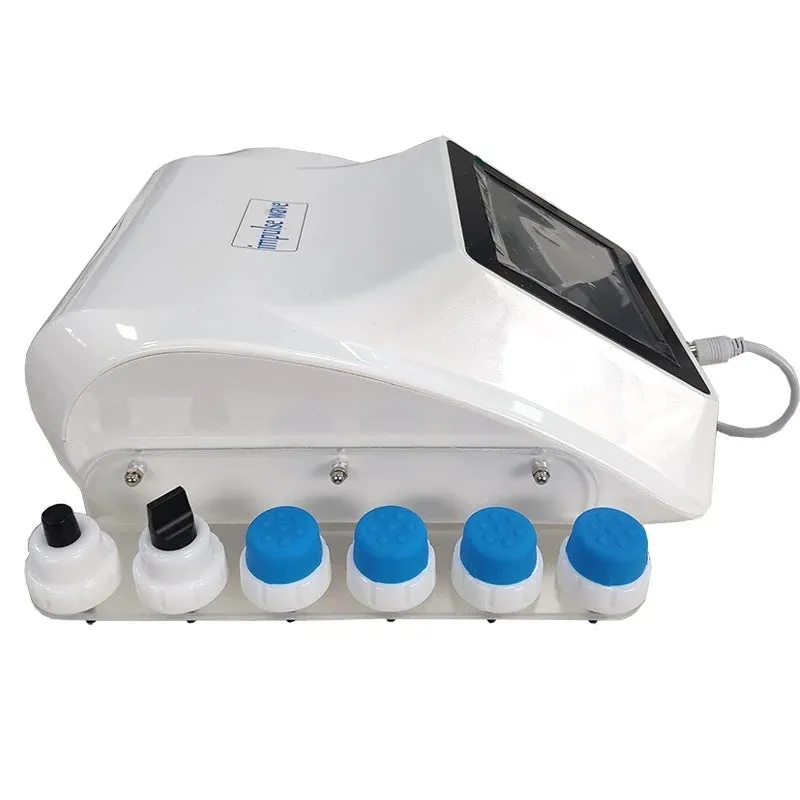
This electromagnetic extracorporeal shock wave physiotherapy instrument represents a specialised medical device designed for therapeutic applications using targeted shock wave technology. Operating on alternating current power, it provides clinicians and therapists with a controlled method for delivering electromagnetic pulses to affected areas. The inclusion of handheld remote control functionality allows for precise operation directly from the user's hand, enabling adjustments during treatment without needing to access the main unit. With compatibility for both EU and US electrical specifications, this instrument offers flexibility for use in different geographical regions where power standards vary. The single-unit packaging includes the complete physiotherapy instrument system ready for connection to appropriate power sources.
Features and Construction
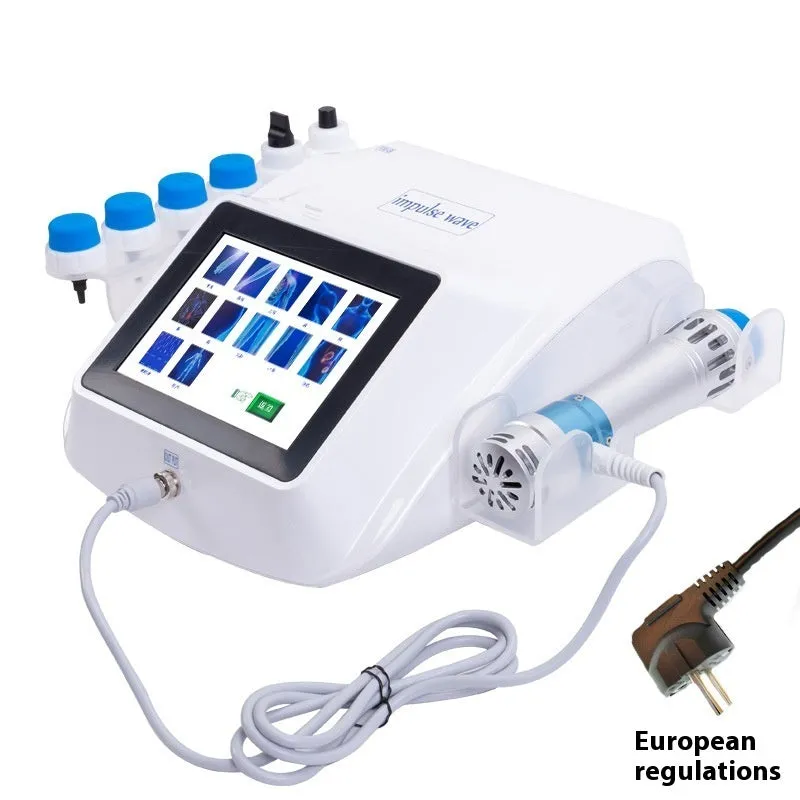
The instrument's core functionality centres on electromagnetic extracorporeal shock wave generation, a technology increasingly utilised in physiotherapy for pain management and tissue rehabilitation. This construction approach differs from pneumatic or piezoelectric shock wave systems, offering specific waveform characteristics suited to particular therapeutic applications. The handheld remote control represents a key operational feature, placing control directly in the therapist's hand during treatment sessions.
Material and Build
While specific material details beyond electronic components and housing are not enumerated in the source text, the construction focuses on generating and controlling electromagnetic shock waves for therapeutic purposes. The handheld remote control unit incorporates interface components designed for user operation, likely including buttons, displays, or adjustment mechanisms. The build quality supports the instrument's function as a medical device requiring consistent performance during therapy sessions, though exact durability claims or material specifications beyond this functional description are not provided.
Size and Practical Fit
Physical dimensions of both the main unit and handheld controller are not specified in the available information. The instrument's alternating current power requirement means it operates from standard electrical outlets rather than battery power, influencing placement considerations within treatment environments. The handheld nature of the remote control suggests ergonomic design for comfortable operation during extended therapy sessions, though exact weight, grip dimensions, or portability features beyond the remote functionality are not detailed in the source material.
Uses and Placement
Electromagnetic shock wave therapy finds application in various physiotherapy contexts, particularly for musculoskeletal conditions where targeted energy delivery can promote healing responses. The technology's extracorporeal nature means treatment occurs externally without invasive procedures, making it suitable for clinical settings focusing on conservative management approaches. The handheld remote control enhances operational flexibility during these applications, allowing therapists to adjust parameters while maintaining patient positioning.
Event or Professional Use
In professional healthcare environments, this instrument serves as dedicated equipment for physiotherapy practices, rehabilitation centres, or sports medicine facilities. The dual EU and US specification compatibility supports international usage or clinics serving diverse patient populations with different regional power requirements. The electromagnetic technology's specific waveform characteristics may suit particular therapeutic protocols more than alternative shock wave generation methods, though exact clinical indications or treatment guidelines are not specified in the product information provided.
Everyday Home Use
While primarily designed for professional settings, the handheld remote control functionality and alternating current power source could potentially support supervised home therapy programmes under professional guidance. However, the instrument's operation requires appropriate training and understanding of shock wave therapy principles, contraindications, and safety protocols. The single-unit packaging means all necessary components for basic operation are included, though additional accessories or application-specific attachments beyond the remote control are not mentioned in the available specifications.
Benefits and Buying Value
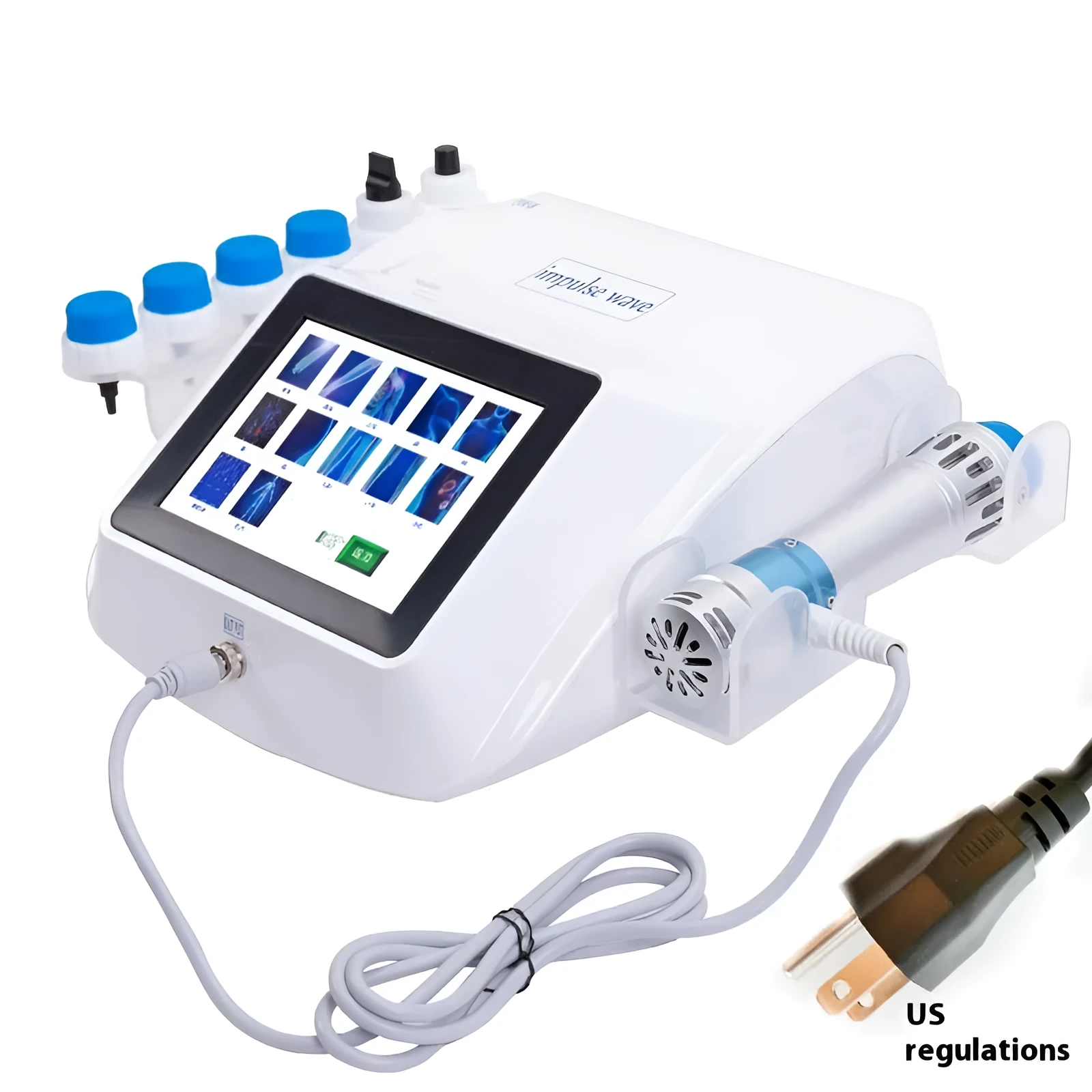
The instrument's value proposition centres on providing electromagnetic shock wave technology in a format incorporating handheld remote control for operational convenience. Alternating current power ensures consistent energy delivery without battery depletion concerns during extended treatment sessions. The dual specification compatibility addresses a practical consideration for clinics operating across different regions or therapists requiring equipment that adapts to various electrical infrastructures.
Reuse and Low Maintenance
As a solid-state electronic device, the instrument supports repeated use across multiple treatment sessions and patient applications. The electromagnetic technology typically involves fewer moving parts than some alternative shock wave systems, potentially contributing to reduced mechanical maintenance requirements. The alternating current power design eliminates battery replacement needs, though specific maintenance intervals, cleaning protocols, or component lifespan details are not provided in the source material beyond these general observations about the technology type.
Why Choose This Product
This electromagnetic extracorporeal shock wave physiotherapy instrument offers specific advantages for practices prioritising handheld control during treatment delivery. The EU and US specification compatibility provides practical flexibility for clinics with international operations or therapists relocating between regions. While the source text doesn't provide comparative data against alternative technologies, the instrument's combination of electromagnetic shock wave generation with remote operation addresses particular workflow preferences in therapeutic settings where continuous parameter adjustment enhances treatment precision.