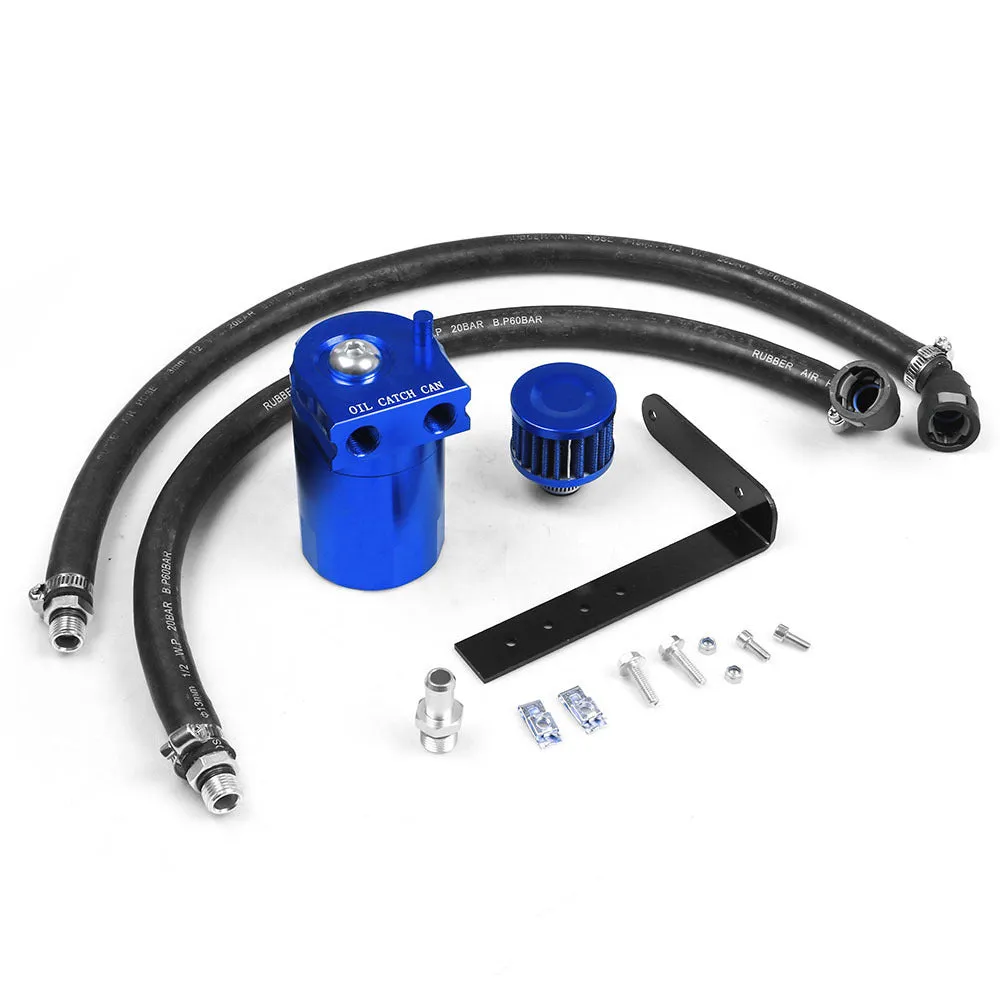
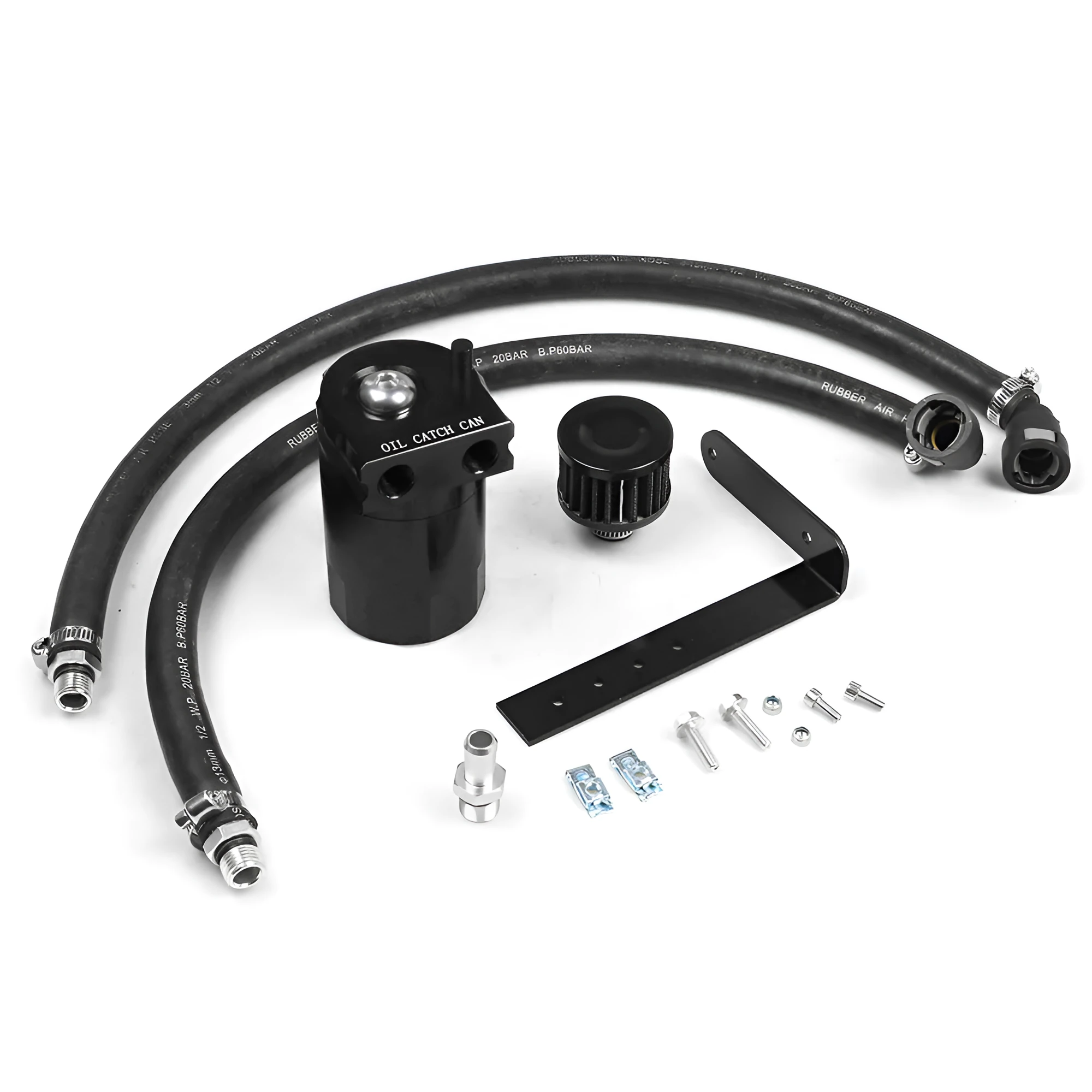
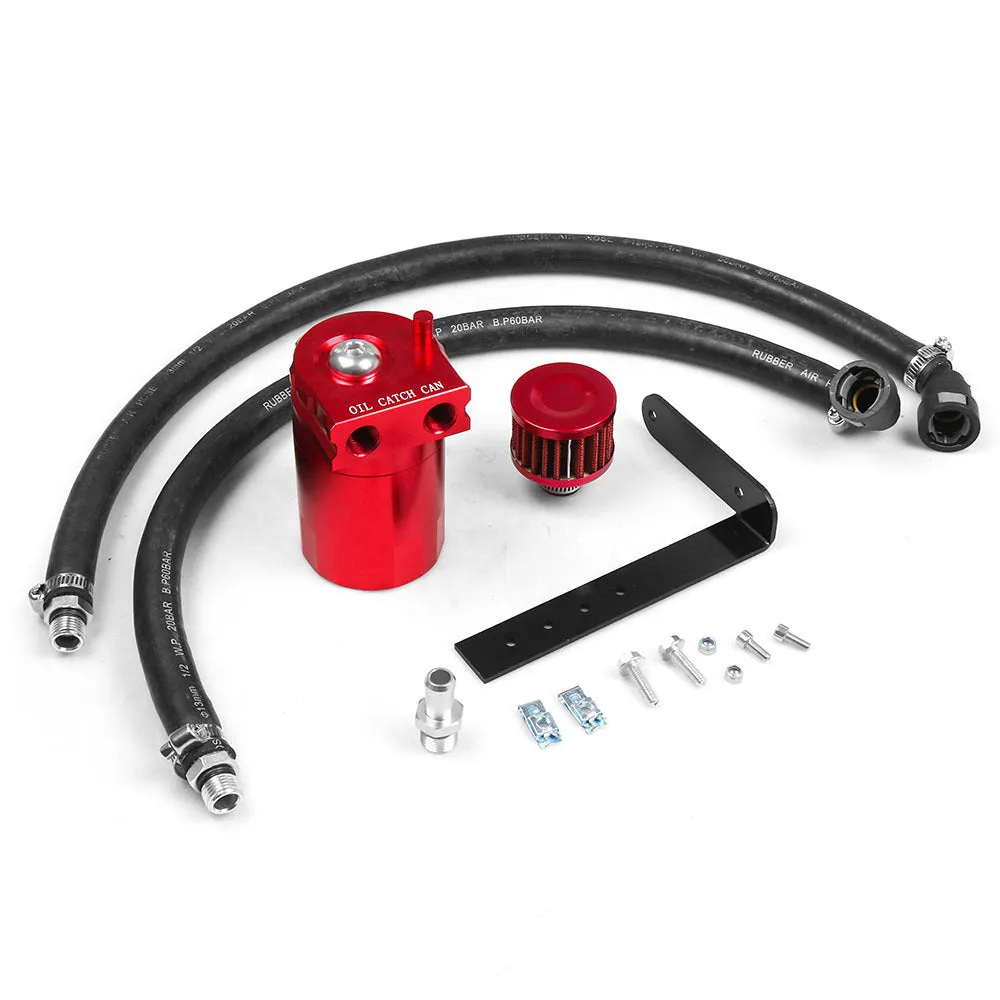
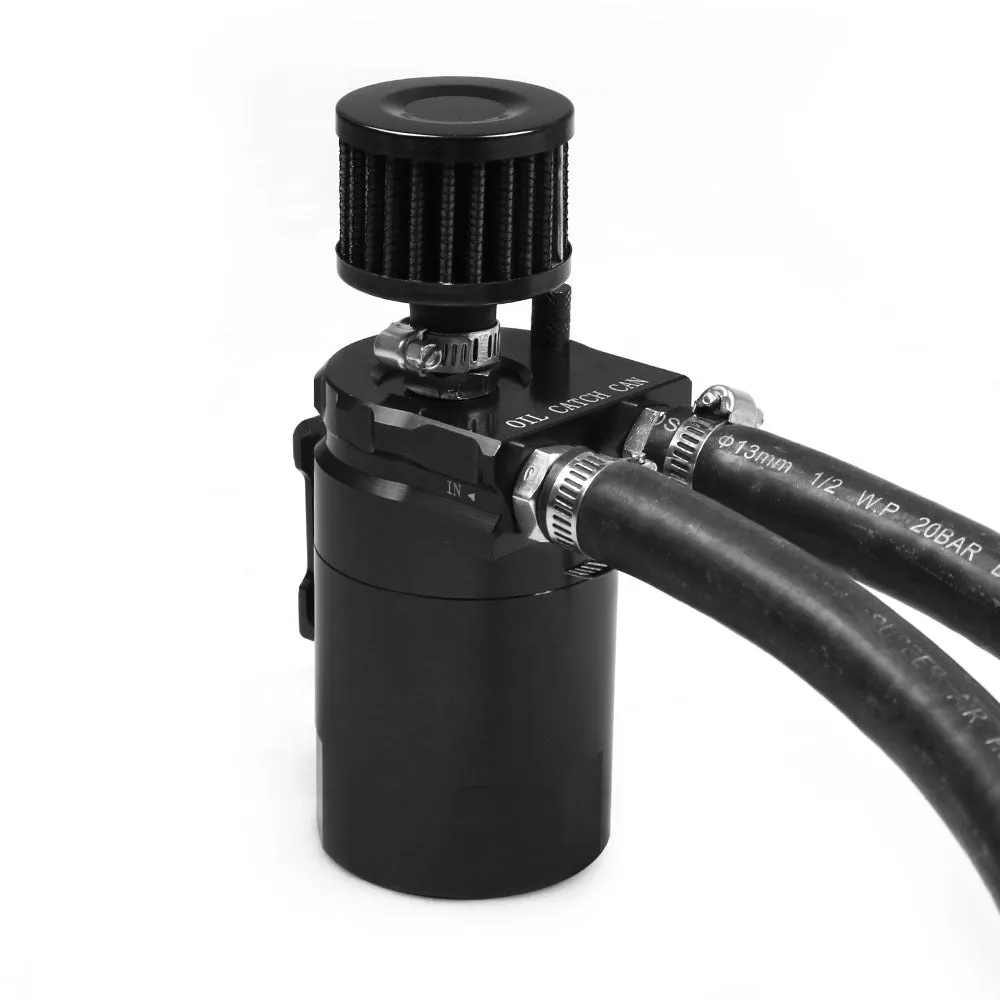
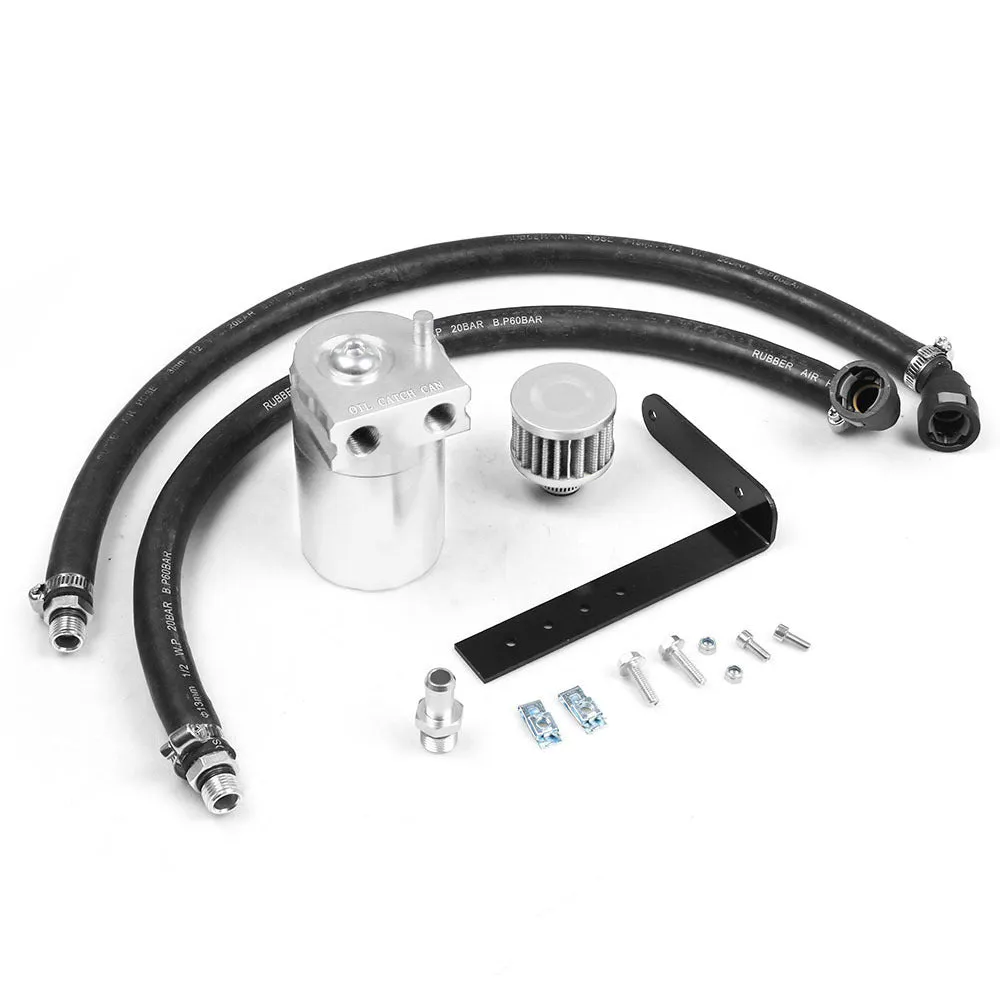
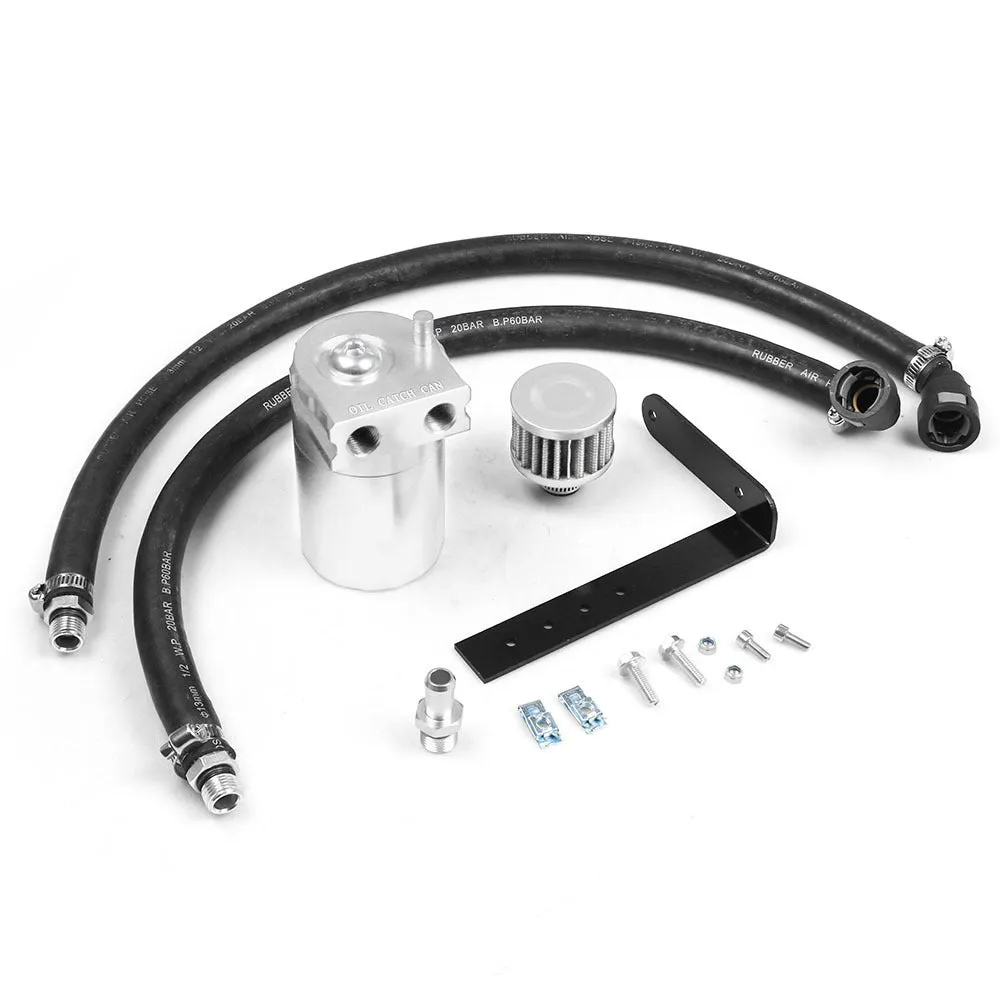
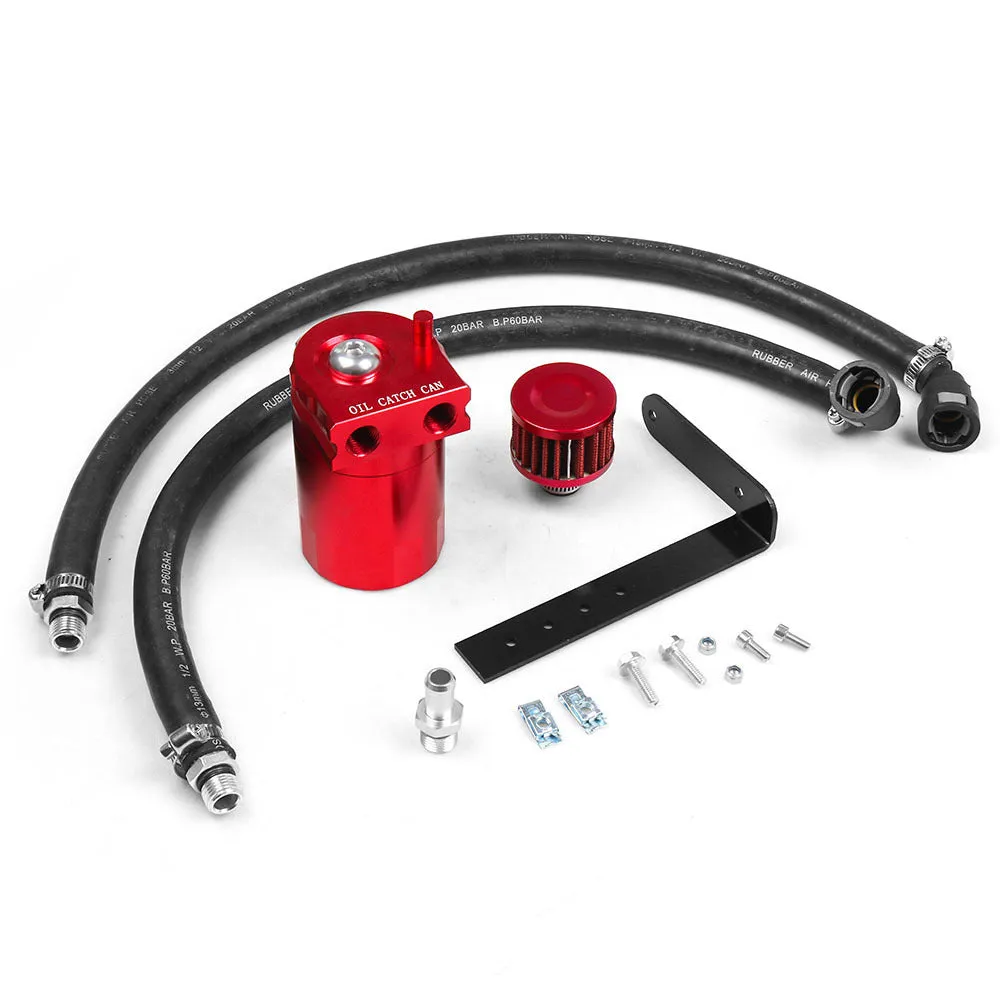
Aluminum alloy car modification oil separator catch can kit for 2018-2020 Ford Expedition vehicle engine breather system in black red blue silver colour finish.


Aluminum alloy car modification oil separator catch can kit for 2018-2020 Ford Expedition vehicle engine breather system in black red blue silver colour finish.
Aluminum Alloy Oil Separator Catch Can Kit for 2018-2020 Ford Expedition
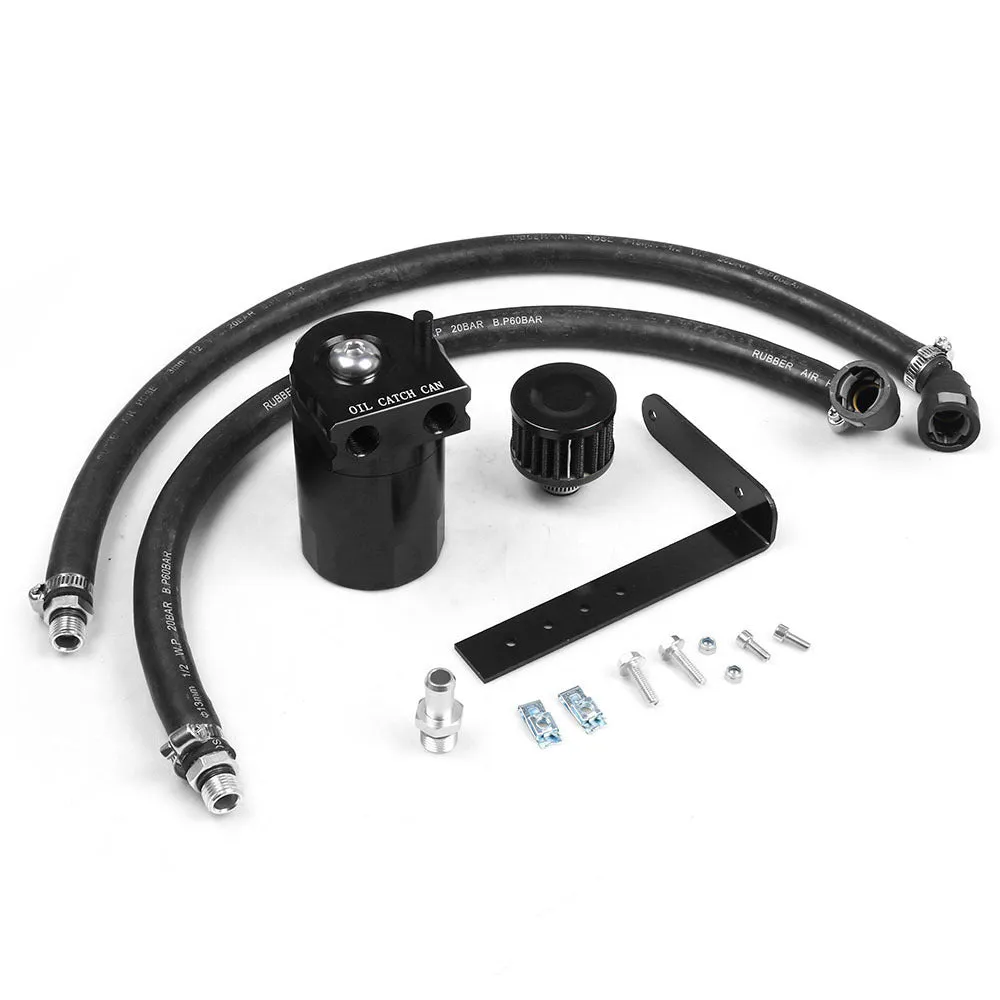
This oil separator, often referred to as a catch can, is a vehicle modification component designed for installation on 2018-2020 model year Ford Expedition SUVs. Its primary function is to be integrated into the engine's positive crankcase ventilation (PCV) system. As the engine operates, blow-by gases containing oil vapour are routed from the crankcase back into the intake for combustion. This unit aims to intercept that flow, allowing the heavier oil mist to condense and separate from the air stream before it reaches the intake manifold. The housing is fabricated from aluminum alloy, a material commonly selected for automotive under-hood applications due to its favourable combination of low weight and resistance to heat and corrosion. The product is offered with a choice of four external finishes—black, blue, red, or silver—providing an aesthetic option to match or complement the engine bay's existing colour scheme.
Features and Construction
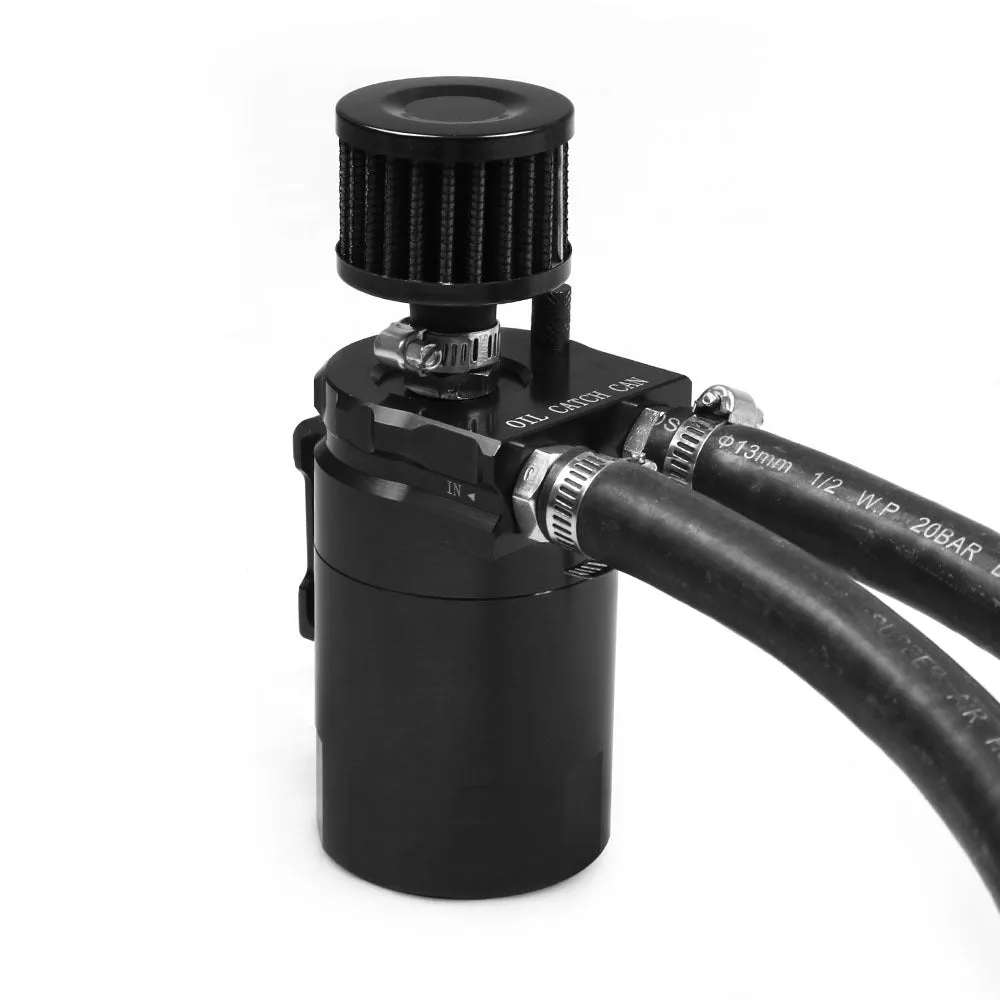
This oil separator kit is defined by its specific vehicle application and material construction. It is not a universal fit item but is engineered to suit the engine bay layout and PCV routing of the third-generation Ford Expedition produced between 2018 and 2020. The kit's completeness means it includes the separator unit itself along with the necessary brackets, fittings, and hardware for installation, aiming to provide all parts required for the job outside of standard tools.
Material and Build
The core housing of the oil separator is constructed from aluminum alloy. This material choice contributes to a lower overall weight compared to steel alternatives, which is a consideration for performance-oriented modifications. Aluminum also possesses inherent corrosion resistance, which is beneficial for a component residing in the variable-temperature and potentially moist environment of an engine bay. The source text does not specify details such as wall thickness, internal baffle design, or the type of drain valve fitted, so those aspects remain general to the product category.
Size and Practical Fit
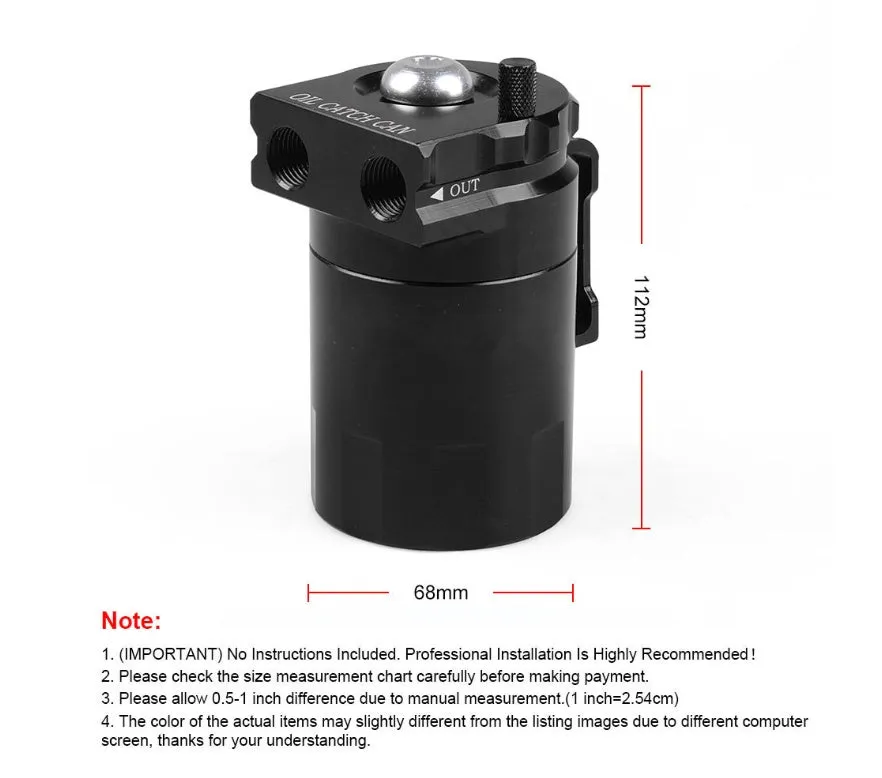
The product is presented as a direct-fit solution for the stated Ford Expedition model years. This implies the unit's physical dimensions and port configurations are designed to integrate with the existing PCV hose routing and available mounting points in that specific vehicle's engine compartment. The absence of provided measurements means prospective buyers should confirm physical clearance in their particular engine bay. The inclusion of multiple colour options (black, blue, red, silver) allows owners to select a finish that aligns with their visual preferences for the modified engine space.
Uses and Placement
The oil separator serves a specific mechanical function within the vehicle's emission control and crankcase ventilation system. It is intended for enthusiasts or owners who wish to add this type of aftermarket modification to their Ford Expedition. Its placement is fixed by its design—it must be installed in-line within the PCV system, typically between the crankcase breather outlet and the intake manifold inlet.
Event or Professional Use
While not limited to competitive use, oil separators are frequently installed on vehicles subjected to sustained high engine loads, such as those used for towing, performance driving, or in motorsport applications. In these scenarios, increased crankcase pressure can lead to greater volumes of oil vapour being carried into the intake. By intercepting this vapour, the separator aims to keep the intake tract and intercooler (if applicable) cleaner, which can help maintain consistent airflow and combustion efficiency over extended periods of hard use. The aluminum construction is suited to the thermal demands of such environments.
Everyday Home Use
For the daily-driven Ford Expedition, the oil separator performs the same core function. Owners may choose to install it as a preventative maintenance measure to reduce the accumulation of oily residues on throttle bodies, intake valves, and within the intake manifold. This can be part of a long-term strategy to maintain engine performance and simplify cleaning procedures during routine servicing. The choice of colour allows for a customised look under the bonnet, turning a functional modification into a subtle visual upgrade as well.
Benefits and Buying Value
The value proposition of this oil separator centres on its vehicle-specific design, material quality, and the potential maintenance benefits associated with its function. It is a single, focused modification rather than a comprehensive upgrade kit.
Reuse and Low Maintenance
As a primarily mechanical device with no moving parts or filters specified in the source, the oil separator is designed for long-term use. Maintenance typically involves periodically draining the collected fluid, a straightforward process. The durability of the aluminum housing contributes to this longevity, resisting degradation from heat, vibration, and exposure to fluids common in the engine bay. Its vehicle-specific fitment aims to provide a clean, OEM-like installation that remains secure over time.
Why Choose This Product
This kit is distinguished by its explicit compatibility with the 2018-2020 Ford Expedition, removing guesswork for owners of those specific models. The aluminum alloy construction offers a balance of durability and light weight. The option to select from four different colours provides a degree of personalisation not always available with functional engine components. The package includes a full kit, which should contain all specialized parts needed for installation, offering convenience over sourcing individual components separately. It represents a targeted modification aimed at a particular aspect of engine bay maintenance for this popular SUV.